My Journey Towards “Less”: Stashbusting Yarn, Sustainable Choices & Intentional Crochet
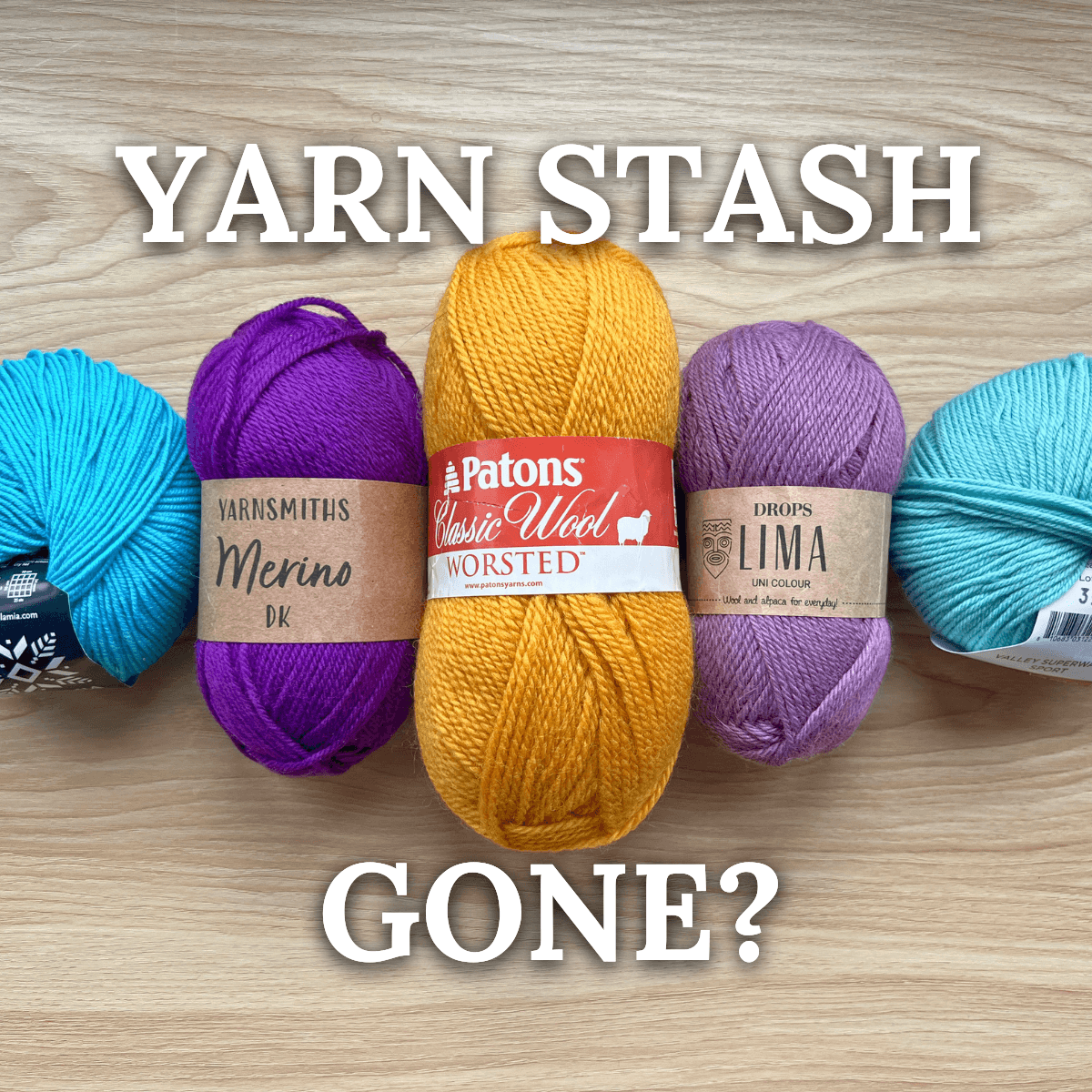
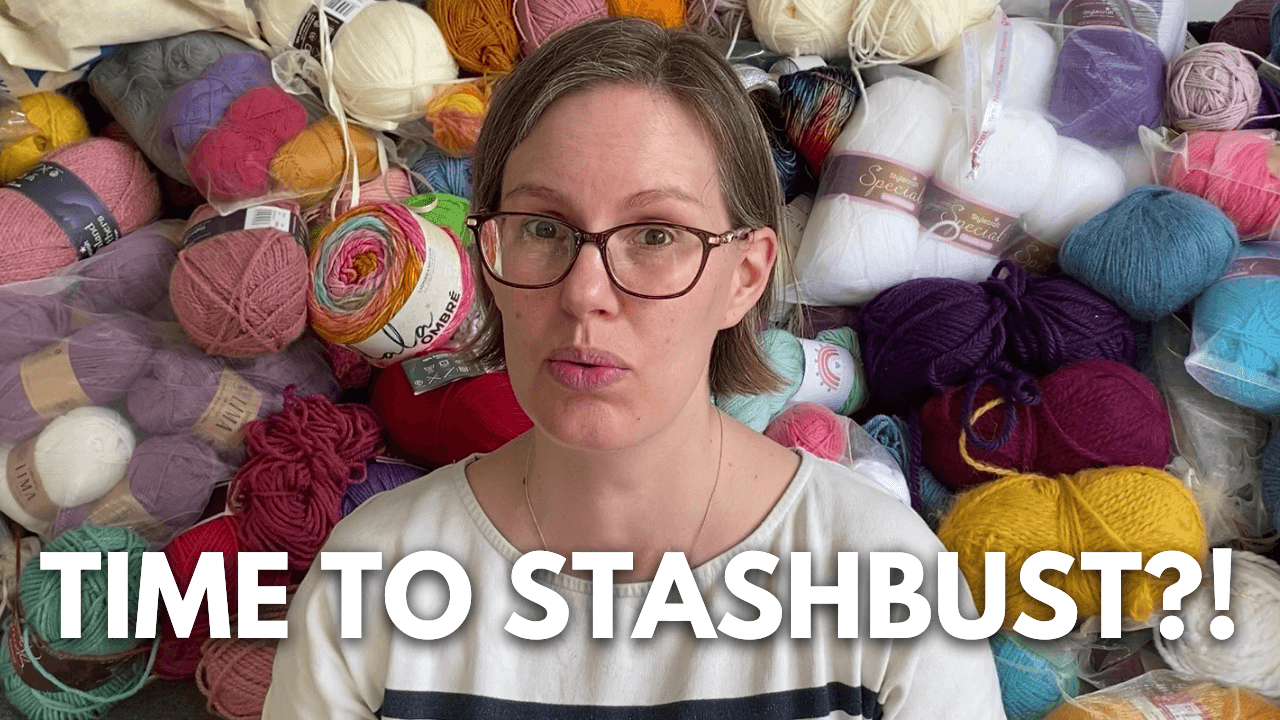
There was a point where my yarn stash reached 377.5 balls of yarn (100g each!).
Even writing that now feels a little surreal. (You can watch my moment of realisation shock here lol).
Like many crocheters, my stash had built up over time (read years!) - mostly DK and aran weight yarn, and largely acrylic. At the time, it made perfect sense. Acrylic yarn is affordable, easy to care for, comes in a huge range of colours, and is widely available here in the UK.
And to be fair, a lot of it was perfectly usable.
But not all yarn is created equal - and eventually I started to feel that.
***This page may include affiliate links - this means that I may earn a small commission if you purchase the product. This is at no additional cost to you. I will only recommend products that I have tried and tested myself, and that I like using. This income helps me to keep designing quality crochet patterns for you.***
🧶 When Your Yarn Stash Starts to Feel Like Too Much
As I began experimenting with natural fibres and yarn blends (somewhat down the line lol), I noticed a real difference.
Not just in how the yarn felt in my hands - but in the finished pieces too:
Less fibres irritating my nose whilst crocheting
Finding that blocking finally seemed to work!
Crocheting blankets that felt warmer, whilst being breathable
And overally, a wholly more satisfying making experience
At the same time, my home was starting to feel… full. (Kid stuff takes up so much space!)
Cluttered.
Overwhelming, in a quiet sort of way.
And my yarn stash - once a source of excitement - was starting to feel like part of that weight. I realised I wasn’t using most of it, and instead of inspiring me, it was beginning to feel like pressure.
That’s when I decided to start stashbusting my yarn.
♻️ What Stashbusting Taught Me About Creativity
At first, stashbusting was about one thing:
I needed the space back.
But it quickly became something more.
Working with what I already had pushed me creatively in ways I hadn’t expected. Without the option to simply buy the “perfect” yarn, I had to:
rethink colour combinations
adapt designs
get resourceful
And the results surprised me.
Many of my projects, and even some of my crochet pattern designs - would have turned out completely differently if I’d bought yarn specifically for them.
And honestly? I think they’re better for it.
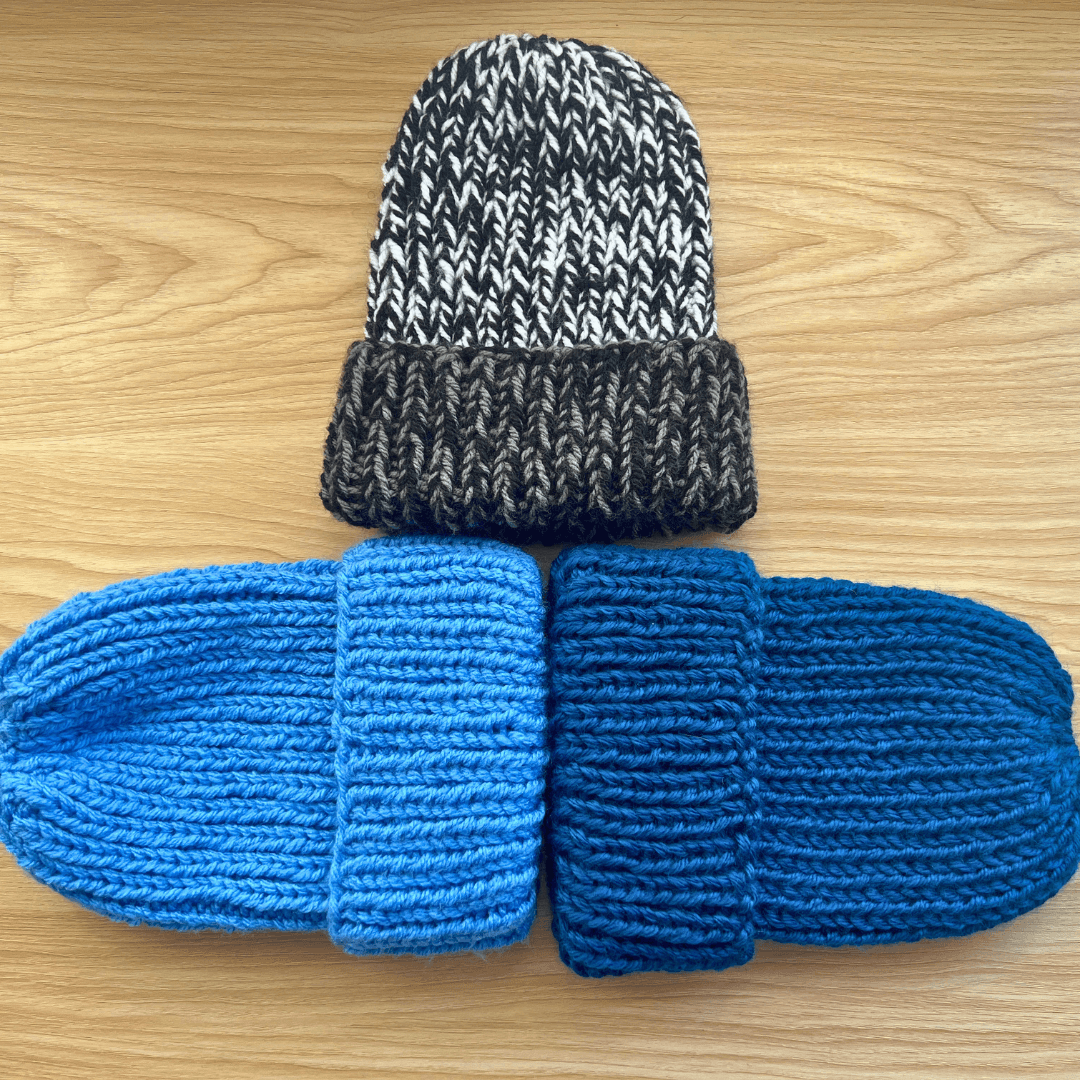
I also found myself creating things I wouldn’t have planned at all (see below) - like a stash of knitted hats and bags in a variety of colours (for unexpected gifting moments). Small, joyful projects that made use of what I already had.
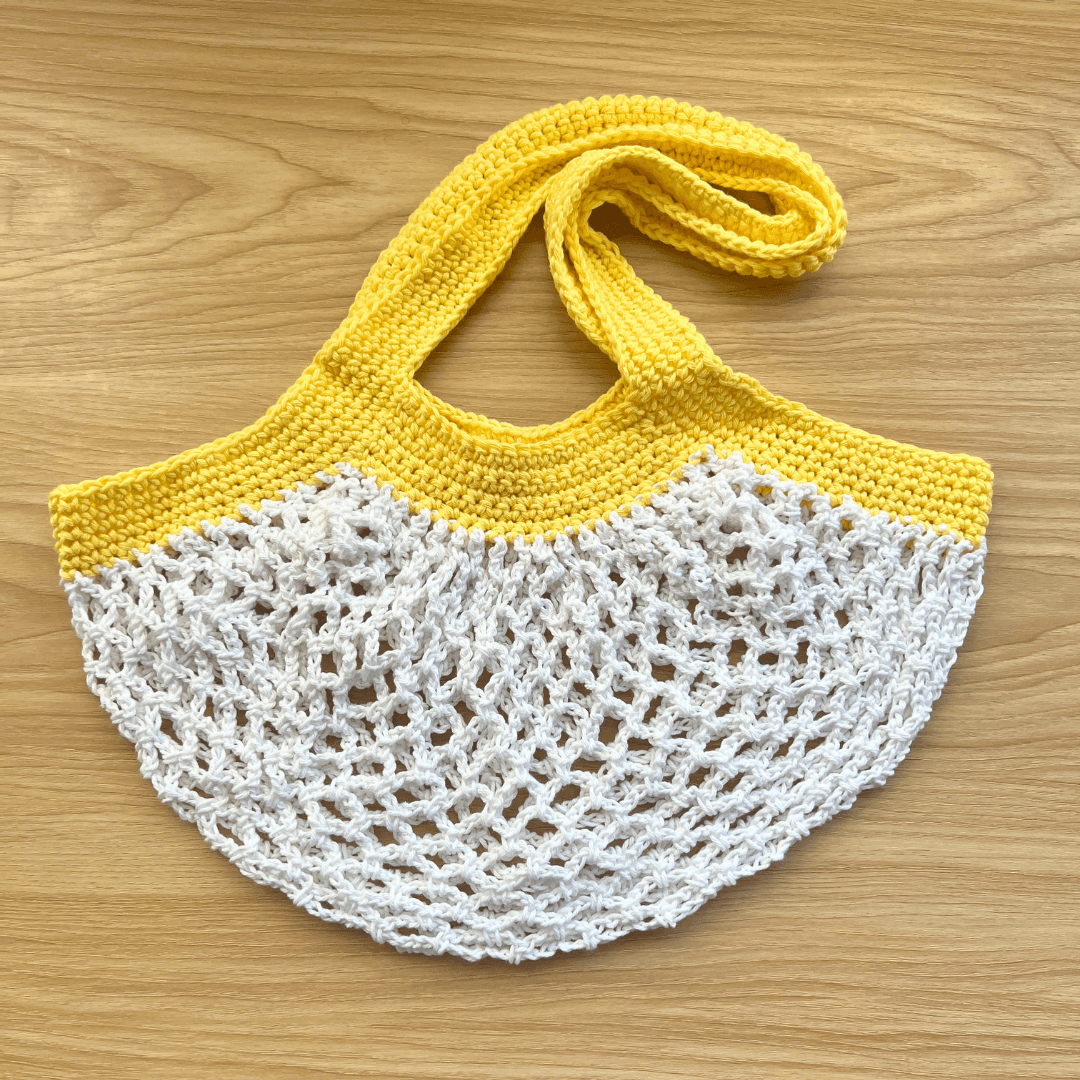
It reminded me that limitations can actually fuel creativity, rather than restrict it.
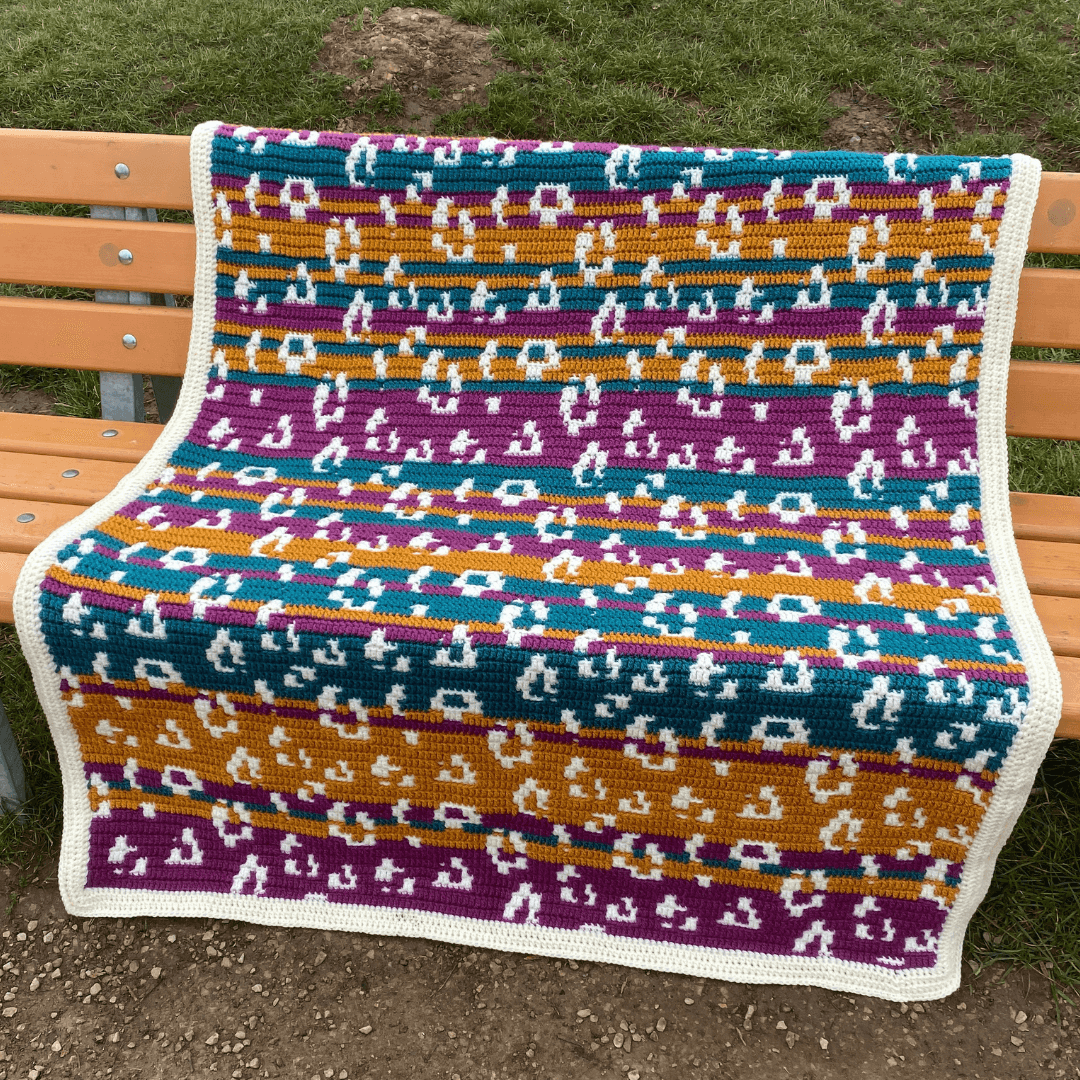
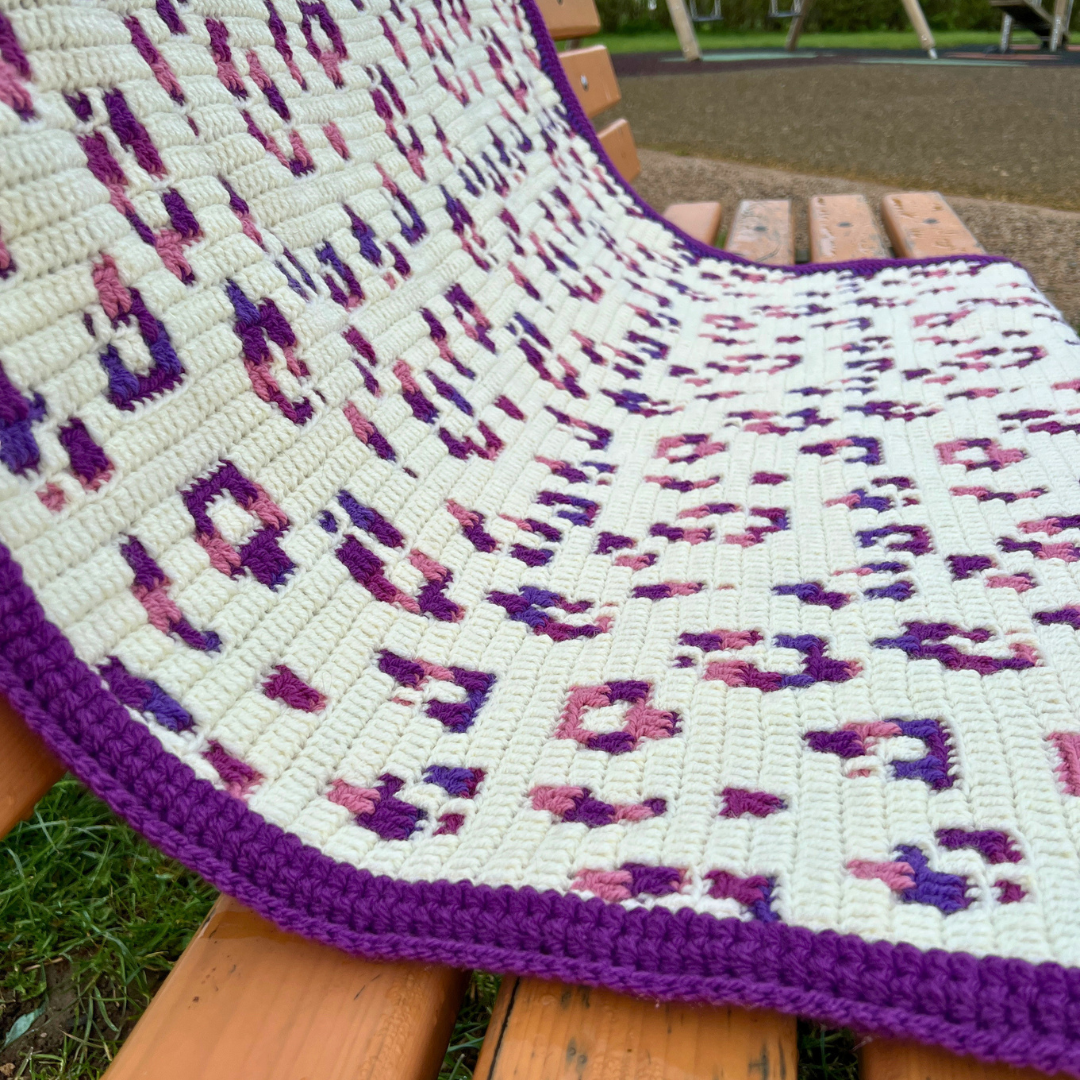
For example, here are two versions of my Leopard Print Stashbuster blanket. This was my first mosaic crochet blanket purposefully designed as a stashbuster. The first (left, about 70% from stash) was crocheted using leftovers from my Beautiful Bugs blanket, and Aphrodite Bobble Stitch blanket. The second (right, and 99% from stash) was crocheted more recently as a secret Santa gift for a lovely woman who mentioned how much she loves pinks and purples - using leftover yarn from my Darling Dachshund Blanket, Beautiful Bugs blanket, and yarn from several personal projects (e.g. the purple hat you’ve probably seen me wearing in my cold-weather reels).
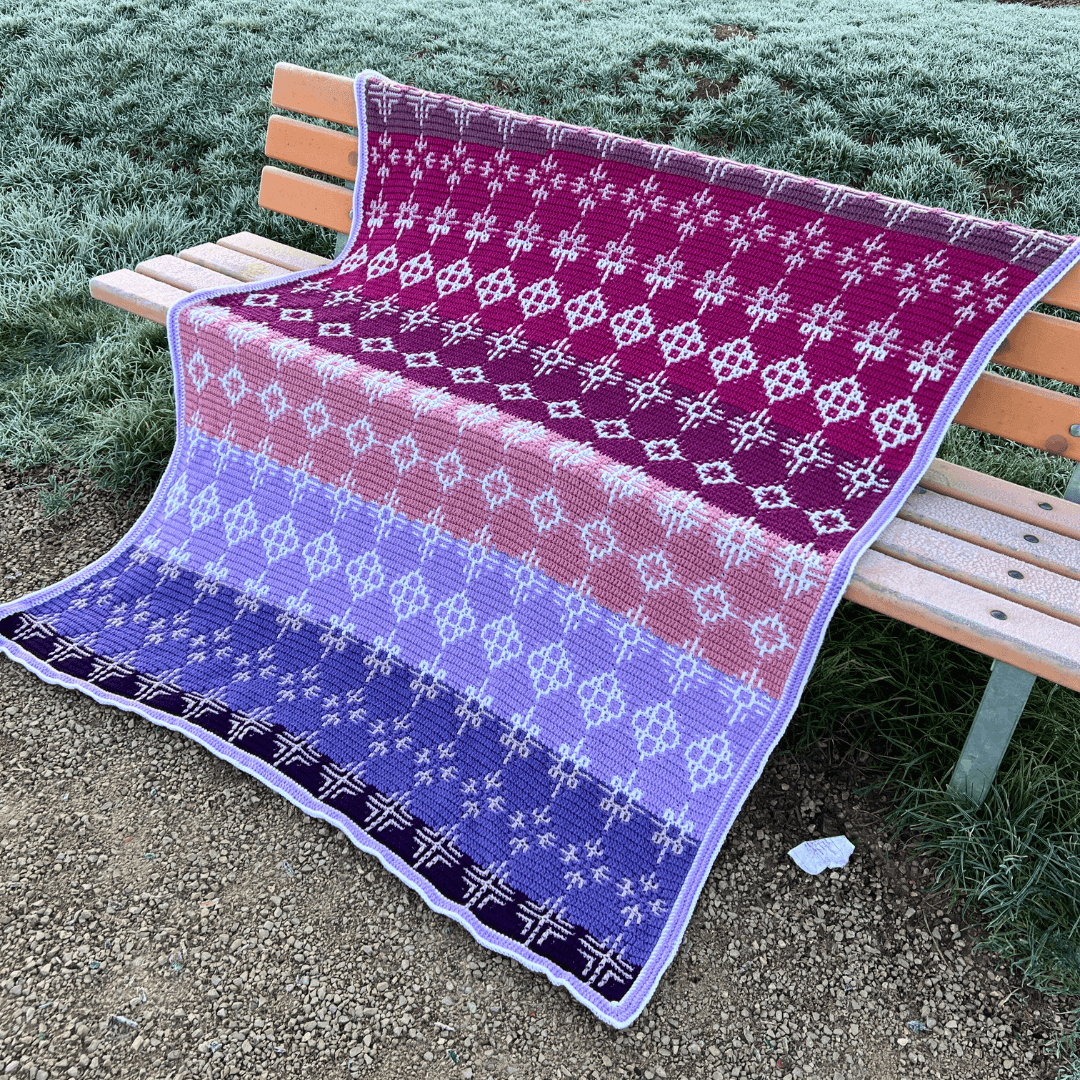
After the fun I had designing the Leopard Print Stashbuster blanket, I decided that I would release at least one intentionally stashbusting design each year. For 2026 this was the Geometric Stashbuster blanket (below, and 100% from stash), which used up most of the remaining DK-weight pinks and purples (my favourite colour) in my stash.
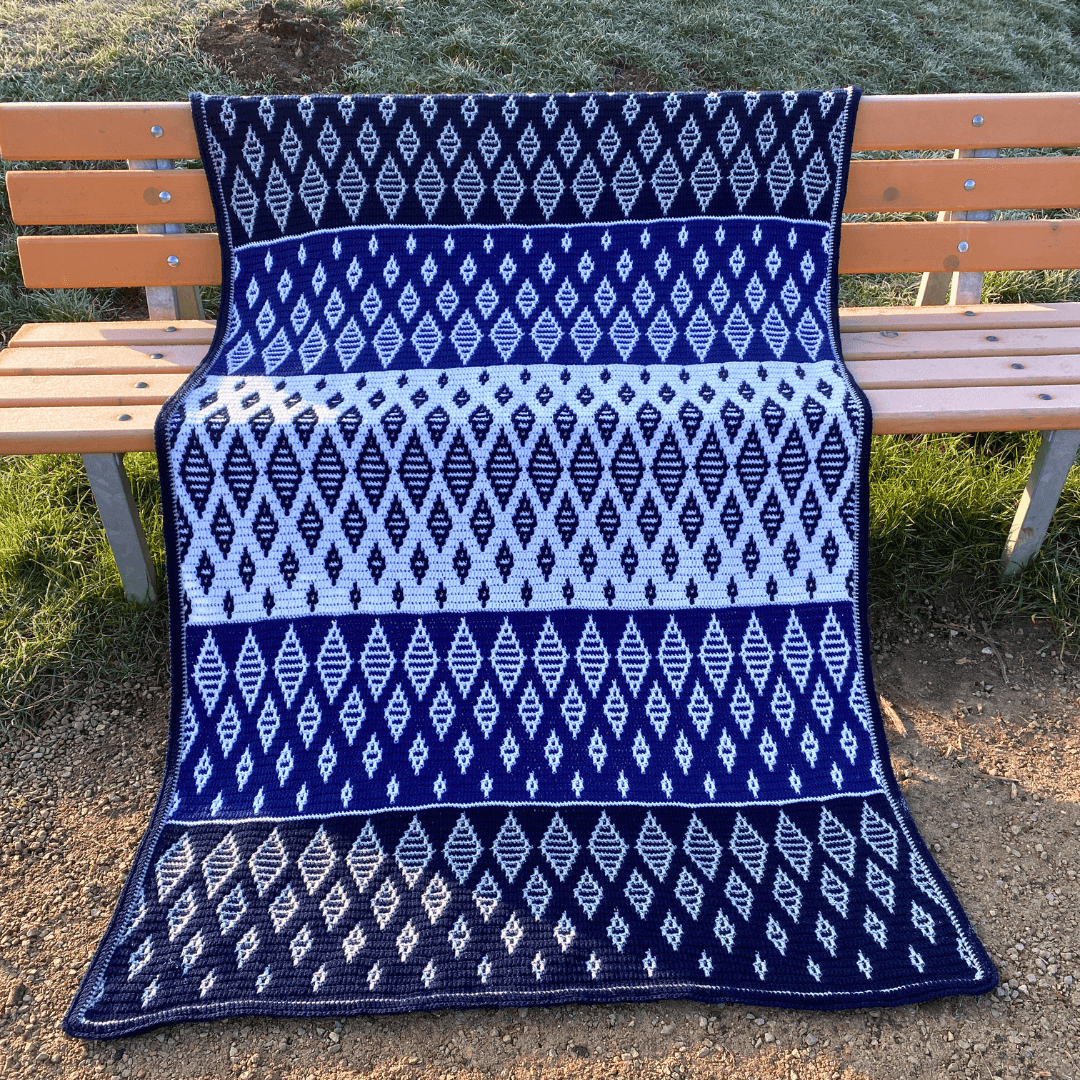
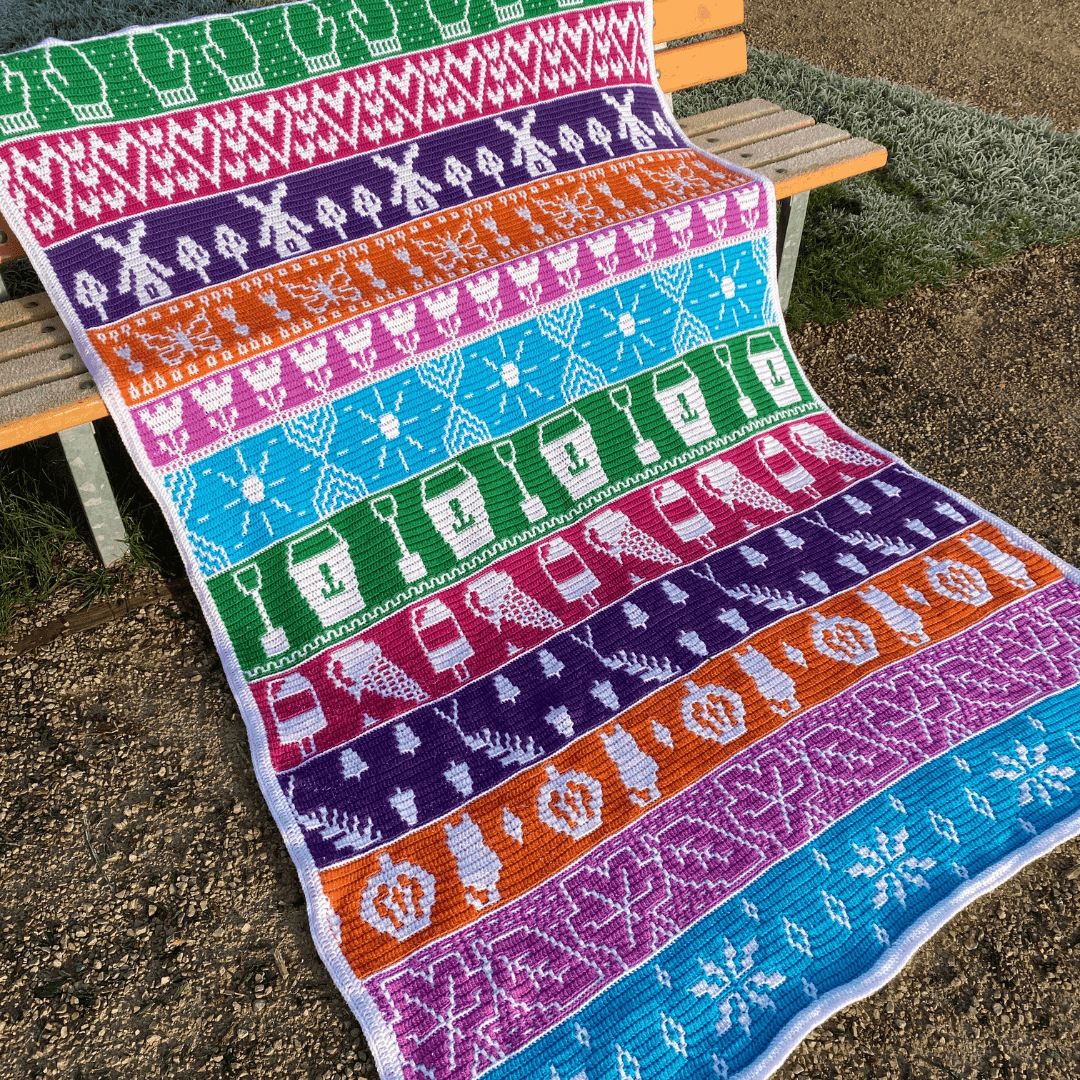
Whilst I didn’t want every single design that I made to look overtly like I was stashbusting, this journey has heavily influenced my colour palette selections. For example (see below), my Endless Diamonds blanket was approximately 30% from stash, the Months of the Year blanket approximately 70% from stash, and two designs that I have coming out in September 2026 are about 80% from stash!
📖 The Book That Changed My Perspective
Partway through this journey, a friend recommended I read Less (I was looking to use up some Audible credits, lol).
I listened to the audiobook, beautifully narrated by Patrick Grant (the author himself - and as a big Sewing Bee fan, that definitely added to the experience!), and it arrived at exactly the right moment.
It’s one of those books that doesn’t tell you what to do, but quietly shifts how you see things.
Through it, there are these gentle but powerful challenges to the way we often consume without thinking - fast fashion, buying cheaply and often, relying on large corporations that don’t always contribute back into the local economy, and products that aren’t made to last.
At the same time, it celebrates a different way of doing things.
One that values:
using natural fibres/resources
upcycing and buying second hand
making things by hand
mending and caring for what we own
supporting local businesses and makers with intentional purchasing
And that really stayed with me.
Because when you think about it, choosing where we spend our money has a ripple effect. Supporting smaller, local businesses often means supporting local jobs - people and companies who are part of our communities, who pay taxes here, and who are more likely to reinvest that money locally too.
It’s not about being perfect, or never buying from big companies again. But it is about recognising that collectively, we have a huge amount of influence.
Where we choose to spend - or not spend - can quietly shape the kind of industry we want to see more of.
For me, it sparked a deeper question:
Where else in my life could I choose “less”?
Not just in my yarn stash - but in how I shop, how I run my business, and how I use my purchasing power day to day.
Because yes, collectively… we really do have a lot of power.
And that’s when this journey evolved from simple decluttering into something far more intentional.
🌿 Moving Towards Sustainable Yarn & British Wool
Since then, I’ve started making small but meaningful changes in how I buy yarn.
I’m not perfect - and I’m not trying to be - but I am more intentional.
Where possible, I’m now aiming to:
shop locally or within the UK
choose British wool yarns
explore natural, renewable fibres
consider second-hand yarn (acrylic or not, it already exists - so is not using up more resources - and prevents it from ending up in a landfill)
and most importantly, use what I already have first (or donating/gifting what I will never use)
And one fibre I keep coming back to more and more is wool.
The more I learn about it, the more it just makes sense - both practically and environmentally.
Wool is a renewable resource. Sheep grow a new fleece every year, meaning it can be produced continuously without depleting finite resources. When that wool is sourced, spun, and dyed within the UK, it also has the potential to significantly reduce transport distances - supporting local farmers, mills, and businesses, and lowering the overall carbon footprint compared to imported yarns.
It also reduces our reliance on synthetic fibres, which are derived from fossil fuels. Moving towards wool - even gradually - feels like a small way of stepping away from that dependence.
Another thing I find really reassuring is that wool is biodegradable. At the end of its life, untreated wool will naturally break down in the soil, returning nutrients back into the earth. (Of course, some treatments like superwash can affect this - but it’s something I’m becoming more aware of as I make choices.)
From a making perspective, wool has so many qualities that make it ideal - especially for blankets:
It’s breathable, helping regulate temperature so you don’t overheat
It’s naturally insulating, keeping you warm when you need it
It’s moisture-wicking, which adds to that comfort
It’s resistant to odours and bacteria, meaning it doesn’t need washing as often
And it has a lovely elasticity and structure, which works beautifully in crochet
All of that means the finished pieces don’t just look good - they feel good to use, and tend to last well over time.
For me, this shift towards wool isn’t about saying it’s the only “right” choice. It’s about recognising that, where it’s accessible and affordable, it offers benefits not just for the finished project - but for the wider picture too.
It supports the UK economy.
It’s kinder to the planet.
And it makes beautiful, practical, cosy things.
Which, when it comes to crochet blankets, feels like a pretty perfect combination.
🧶UK Yarn Brands I’m Exploring (and Why)
As part of this shift towards more sustainable yarn in the UK, I’ve been researching and hoping to soon try more yarns that align with these values.
Some that are on my radar (or that I’ve started exploring) include:
West Yorkshire Spinners
Widely available and reliable, with a strong focus on British wool. A great starting point if you’re transitioning from acrylic. (I’ve already used their Signature 4ply sock yarn to great effect - albeit not one of thier 100% natural fibre lines).Blacker Yarns
Known for breed-specific British wool yarns with excellent traceability. A more premium option, but beautifully aligned with sustainability goals. (I love that they’re Cornish - I have family from there!).Woolyknit
Offers more affordable options, including cones - ideal for larger projects like blankets and for keeping costs manageable.Jamieson’s of Shetland
A great example of traditional, locally sourced wool - particularly lovely for colourwork.
So far in my journey, I’ve tried yarns like Drops Lima (I already had this in stash, although it is sourced from South America) and Yarnsmiths Merino (which I believe is sourced from Australia), which I’ve enjoyed - but I’m still very much in the exploration phase when it comes to wool, and hoping to go British.
This is a gradual process, and I’m learning as I go.
🧺 What My Yarn Stash Looks Like Now
Right now, I’m down to 194 balls of yarn - almost half of where I started (you can watch the journey so far here).
And that feels really good.
I don’t want to eliminate my stash completely. Having yarn on hand for spontaneous projects is part of the joy of crochet.
But I do want a stash that feels:
manageable
inspiring
intentional
My long-term goal is:
to shrink my stash a bit further (I don’t have a particular number in mind)
to use up all of my non-natural fibres
to primarily work with natural yarns moving forwards
to incorporate more British wool where possible
and to have everything fit within my bureau desk shelves
🧵 How This Is Changing My Crochet Business
This shift is naturally influencing my work as a crochet designer too.
I’m becoming more conscious of:
the yarns I recommend
how accessible and flexible my patterns are
and how I can encourage more intentional making
Going forward, I’ll be including a gentle note in my patterns encouraging makers to:
use their existing stash
consider second-hand yarn
explore sustainable yarn options if and when they can
No pressure. No guilt. Just an invitation.
💰 The Reality: Cost & Accessibility
I think it’s important to say this clearly:
Cost matters.
One of the reasons my stash was primarily acrylic to begin with is because it’s accessible. And more sustainable yarns - e.g. British wool - can be more expensive.
That’s a very real barrier.
I haven’t always been able to choose the “ideal” yarn, and I still can’t all the time.
But what this journey has taught me is that:
Small, gradual changes still matter.
Using what you already have is sustainable.
Buying less is sustainable.
Being intentional is sustainable.
🌱 A Gentle Shift, Not a Perfect One
This isn’t about doing everything “right.”
It’s not about throwing out your yarn or replacing everything overnight.
It’s about asking:
Do I need this?
Will I use it?
Is there another option?
And sometimes the answer will still be acrylic - and that’s okay.
✨ An Invitation to Choose “Less”
If this resonates with you, I’d gently encourage you to start small:
Use what you already have
Try a stashbusting project
Make your next yarn purchase intentional (it has taken me serious willpower to ignore the lure of free shipping!)
Explore a new fibre when you can
Your choices matter - but they don’t have to be perfect to have an impact.
They support:
farmers and animals
local businesses and mills
your local economy
and the wider environment
🌸Looking Ahead
In a year’s time, I hope my yarn stash is:
smaller
more intentional
filled with fibres I truly love
But more than that, I hope it continues to bring me joy.
Because for me, choosing “less” isn’t about restriction.
It’s about making space - for creativity, for calm, and for what really matters.
A Question for You
If this is something you’re exploring too, I’d genuinely love to hear about your journey.
Are you stashbusting at the moment, or thinking about starting?
Do you have a favourite natural fibre or yarn brand that you keep coming back to - and what makes it special for you?
Have your buying habits changed over time, or are you right at the beginning of that shift?
And if you’ve read Less, I’d love to know what you took from it. Did it spark anything for you in your crafting life - or beyond?
Wherever you are on this journey - whether you’re deep into stashbusting or simply becoming a little more intentional - you’re so welcome here.
Looking for more content to explore? Check these out next!
FAQ
What is stashbusting in crochet?
Stashbusting means using yarn you already own instead of buying new yarn, often encouraging creativity and reducing waste.
Is acrylic yarn sustainable?
Essentially no. Acrylic yarn is widely accessible and durable, but it is a synthetic fibre (derived from crude oil). Many crafters choose to gradually incorporate more natural fibres like wool for environmental reasons.
What is British wool yarn?
British wool yarn is made from fleece sourced from UK sheep breeds, often spun and dyed within the UK, supporting local farmers and industry, minimsing its carbon footprint, and boosting the UK economy.